Introduction
Every digital action leaves a footprint, and often the most valuable information is not the content itself, but the data about the data—better known as metadata. Whether it’s a photograph taken with your iPhone, a Word document saved on your computer, or a webpage you want to rank higher in Google, metadata provides crucial insights.
Metadata analysis is the art and science of examining this hidden information to make smarter decisions, enhance security, improve efficiency, and optimize online presence.
In this guide, we’ll explore metadata analysis in detail—covering definitions, types, importance, real-world applications, tools, best practices, and SEO benefits. By the end, you’ll understand why metadata is called the “DNA of digital information.”
What is Metadata?
Metadata is simply “data about data.” It provides context and details about a file, image, document, or webpage.
Some examples:
- A photo’s metadata may include the camera model, shutter speed, aperture, GPS coordinates, and date taken.
- A document’s metadata might list the author, revision history, and file size.
- A website’s metadata includes SEO tags like title, description, keywords, and schema markup.
Metadata doesn’t change the content itself but describes and organizes it, making it easier to find, manage, and interpret.
What is Metadata Analysis?
Metadata analysis is the process of examining, interpreting, and using metadata for insights. It helps organizations and individuals:
- Identify patterns and trends.
- Improve data quality and organization.
- Ensure compliance with legal standards.
- Detect and remove sensitive information.
- Optimize SEO performance for websites.
Think of metadata analysis as looking under the hood of digital files to discover the hidden details that drive performance, security, and usability.
Why is Metadata Analysis Important?
Metadata analysis matters because metadata is everywhere. Every photo, email, PDF, video, or website carries metadata that can reveal powerful insights or unintended risks.
Here’s why it’s important:
1. Improved Data Management
With metadata analysis, organizations can catalog, search, and filter massive datasets efficiently.
2. Enhanced Cybersecurity
Hidden metadata can leak private details (like GPS location in photos). Analyzing metadata helps detect and scrub sensitive data.
3. SEO and Digital Marketing
Web metadata (titles, descriptions, schema) directly affects search engine ranking. Proper analysis boosts visibility and click-through rates.
4. Legal and Compliance
Courts often rely on metadata trails for evidence in digital forensics. Companies must maintain metadata for regulatory compliance.
5. Photography and Creative Workflows
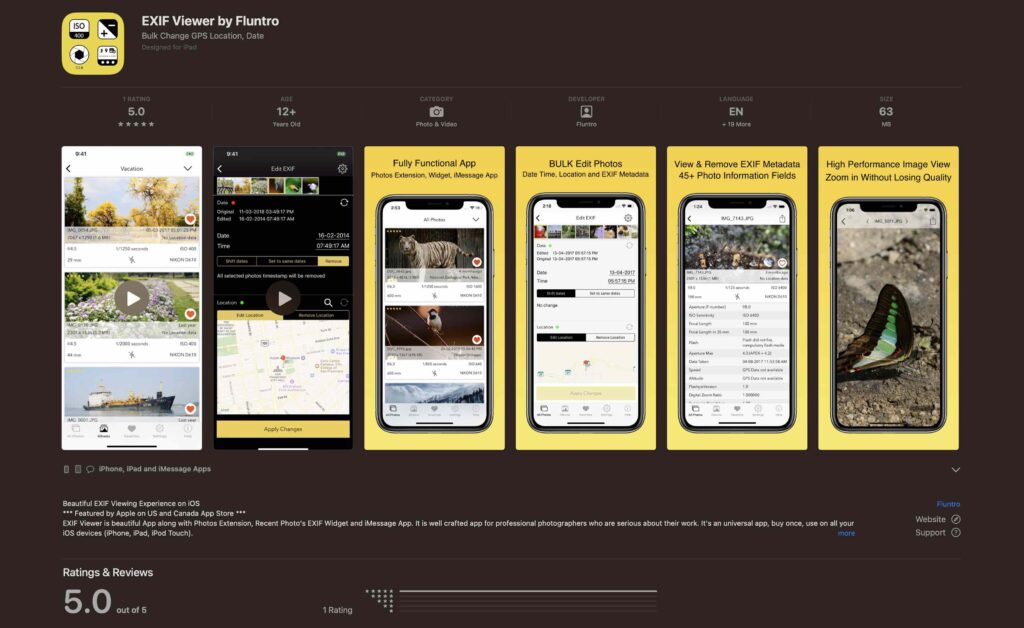
Photographers rely on EXIF metadata to review shooting conditions and improve future captures. Apps like EXIF Viewer by Fluntro make this process simple on iPhone and iPad.
Types of Metadata
Metadata falls into several categories:
1. Descriptive Metadata
Provides details about the content.
- Example: Book titles, keywords, author names, image captions.
2. Structural Metadata
Shows how different components are organized.
- Example: Chapters in an eBook or database structure.
3. Administrative Metadata
Technical details about management and rights.
- Example: File type, access rights, copyright information.
4. Provenance Metadata
Tracks history of the file, including edits and transfers.
- Example: Version control logs for documents.
5. EXIF Metadata (Photos)
Details embedded in images, including camera make, exposure, ISO, focal length, and GPS coordinates.
- Tool Highlight: The EXIF Viewer by Fluntro app lets users view, edit, and remove photo metadata easily.
Real-World Applications of Metadata Analysis
1. Photography and Media
Photographers analyze metadata to understand shooting conditions and improve skills.
- Example: Reviewing ISO settings and aperture for sharpness.
2. SEO and Websites
Digital marketers analyze website metadata for optimization.
- Example: Adjusting meta descriptions to increase CTR.
3. Healthcare and Research
Medical records include metadata that helps track patient history.
4. Cybersecurity and Forensics
Law enforcement uses metadata to verify authenticity of digital evidence.
5. Business and Compliance
Companies analyze metadata to ensure documents comply with GDPR, HIPAA, and other regulations.
Metadata Analysis Tools
There are many tools designed for different metadata analysis needs:
- EXIF Viewer by Fluntro (iOS App) – Specialized for photo metadata on iPhone/iPad.
- ExifTool – Command-line utility for reading/writing metadata.
- Apache Tika – Extracts metadata from diverse file formats.
- SEO Tools (Yoast, Ahrefs, SEMrush) – Analyze and optimize website metadata.
- Forensic Tools (FTK, EnCase) – Used in legal investigations.
Best Practices for Metadata Analysis
- Automate where possible – Use tools to batch analyze large datasets.
- Verify metadata accuracy – Ensure data matches actual content.
- Remove sensitive information – Strip GPS or author details before sharing files.
- Standardize formats – Use recognized standards like EXIF, Dublin Core, or IPTC.
- Regular SEO audits – Keep website metadata up-to-date for best Google performance.
Metadata Analysis for Photography
Every photo carries a story beyond the visible image. EXIF metadata includes:
- Camera model & lens
- Shutter speed, ISO, aperture
- Geolocation (GPS coordinates)
- Date and time of capture
By analyzing this, photographers can:
- Track and replicate successful settings.
- Organize libraries by location/date.
- Ensure privacy by removing sensitive data.
👉 Apps like EXIF Viewer by Fluntro make this easy for iPhone and iPad users.
Metadata Analysis for SEO
Search engines rely heavily on metadata to understand content. A well-optimized site includes:
- Title Tags – Clear and keyword-rich.
- Meta Descriptions – Compelling summaries for higher CTR.
- Alt Text – Describes images for search and accessibility.
- Header Tags (H1-H3) – Organize content for readers and crawlers.
- Schema Markup – Enhances search snippets.
Performing regular metadata analysis ensures your site remains competitive and ranks in Google’s top results.
FAQs About Metadata Analysis
Q1: What is the main purpose of metadata analysis?
To improve data management, security, and performance while gaining insights.
Q2: Can metadata expose personal information?
Yes. For example, photos may reveal GPS location unless removed.
Q3: How do I analyze photo metadata?
Use tools like EXIF Viewer by Fluntro to view and manage metadata.
Q4: Is metadata important for SEO?
Absolutely—metadata directly impacts Google rankings and click-through rates.
Q5: Can metadata be changed or removed?
Yes. Tools like ExifTool or apps like Fluntro’s EXIF Viewer allow editing/removal.
Conclusion
Metadata is the invisible layer of information that powers the digital world. By conducting metadata analysis, individuals and organizations unlock powerful insights, improve workflows, enhance security, and achieve better SEO.
From photographers reviewing EXIF data to businesses optimizing their websites, metadata is the bridge between raw content and meaningful insights.
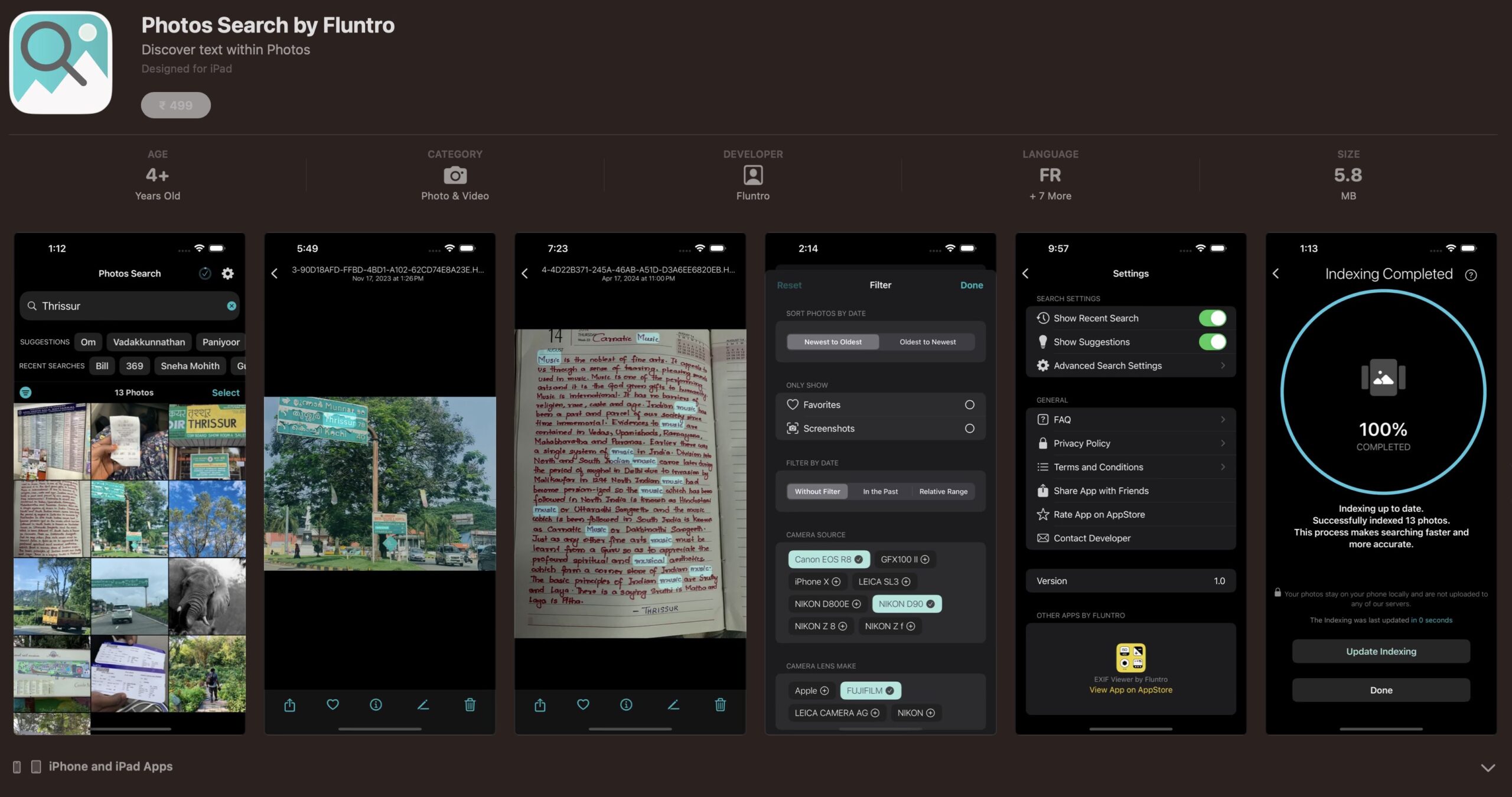
👉 If you want to analyze photo metadata on your iPhone or iPad, try EXIF Viewer by Fluntro for in-depth details, editing, and privacy control. Also, explore the Photo Search app to organize and find images faster.
Mastering metadata analysis isn’t just a technical skill—it’s a competitive advantage in the digital era.
LEARN MORE ABOUT FLUNTRO APPS FOR PHOTOGRAPHERS
1. EXIF VIEWER BY FLUNTRO
VIEW, EDIT, REMOVE EXIF METADATA FOR PRIVACY
Knowing whether an app contacts external servers is equally important. It helps you understand where your data is going, who might have access to it, and how it affects your device’s performance and security. By regularly checking your app privacy reports, especially on iOS, you can stay informed about these connections and take action to protect your data.
By being proactive about your digital privacy, you can navigate the online world with confidence, ensuring your personal information stays safe and secure.
Appstore link :- https://apps.apple.com/us/app/exif-viewer-by-fluntro/id944118456

EXIF metadata is an invaluable resource for photographers at all skill levels. It provides insights into your photography, helps you troubleshoot issues, and offers a means of proving authorship and copyright. So, the next time you capture that breathtaking shot, don’t forget to delve into the EXIF metadata – it’s a treasure trove of information waiting to be explored, and it might just be the key to unlocking your photography potential.
![Photography App - EXIF Viewer by Fluntro for iPhone and iPad [Promo Video]](https://i.ytimg.com/vi/ycz0b0uDn9A/hqdefault.jpg "Metadata Analysis - The Complete Guide to Unlocking the Power of Data 2")
2. PHOTOS SEARCH BY FLUNTRO
YOUR ULTIMATE PHOTO DISCOVERY COMPANION!
Photos Search app takes image searching to a whole new level by allowing you to search for text within photos effortlessly. Unleash the potential of your visual content and discover a seamless way to find and organize your images based on the words they contain. Whether you’re a professional photographer, an art enthusiast, or simply someone who loves exploring beautiful imagery, PhotoSearch is here to make your search for photos a delightful and hassle-free experience.
AppStore Link: https://apps.apple.com/app/photos-search-by-fluntro/id6471649312

Get two apps by Fluntro Team :Exclusive Bundle Offer

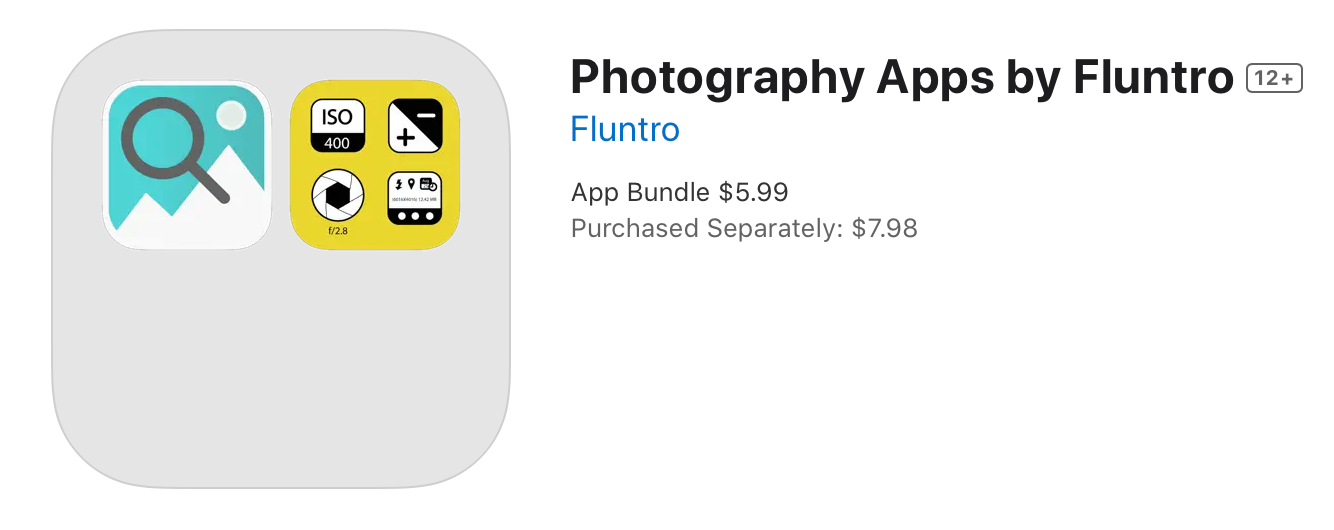
“Exif Viewer” for $2.99 and “Photos Search” for $4.99
Just for $5.99 instead of $7.98