EXIF Full Form: What EXIF Data Is and Why It Matters
Learn the EXIF full form and how EXIF data impacts photography. Discover how to view, use, and remove EXIF data from your digital photos.
By Sneha MohithUpdated 3 min read
If you’ve ever delved into the technical details of your digital photos, you’ve probably come across the term EXIF. But what does EXIF stand for, and why is it important in the world of photography? In this guide, we’ll break down the EXIF full form, explain its significance, and show you how to make the most of EXIF data to improve your photography skills.
What Does EXIF Stand For? Understanding the Full Form
EXIF stands for Exchangeable Image File Format. This term refers to the metadata embedded within every photo taken by a digital camera or smartphone. EXIF data includes key information about your image such as camera settings, date, time, and even the GPS coordinates of where the photo was taken.
The Importance of EXIF Data in Photography
Why is EXIF data so crucial? For photographers, both amateur and professional, EXIF metadata is a goldmine of information. It allows you to:
- Track settings such as aperture, shutter speed, and ISO for each shot
- Analyze and replicate successful shots by studying the metadata
- Provide context to your images with timestamps and location details
- Troubleshoot issues by reviewing what settings were used for problematic images
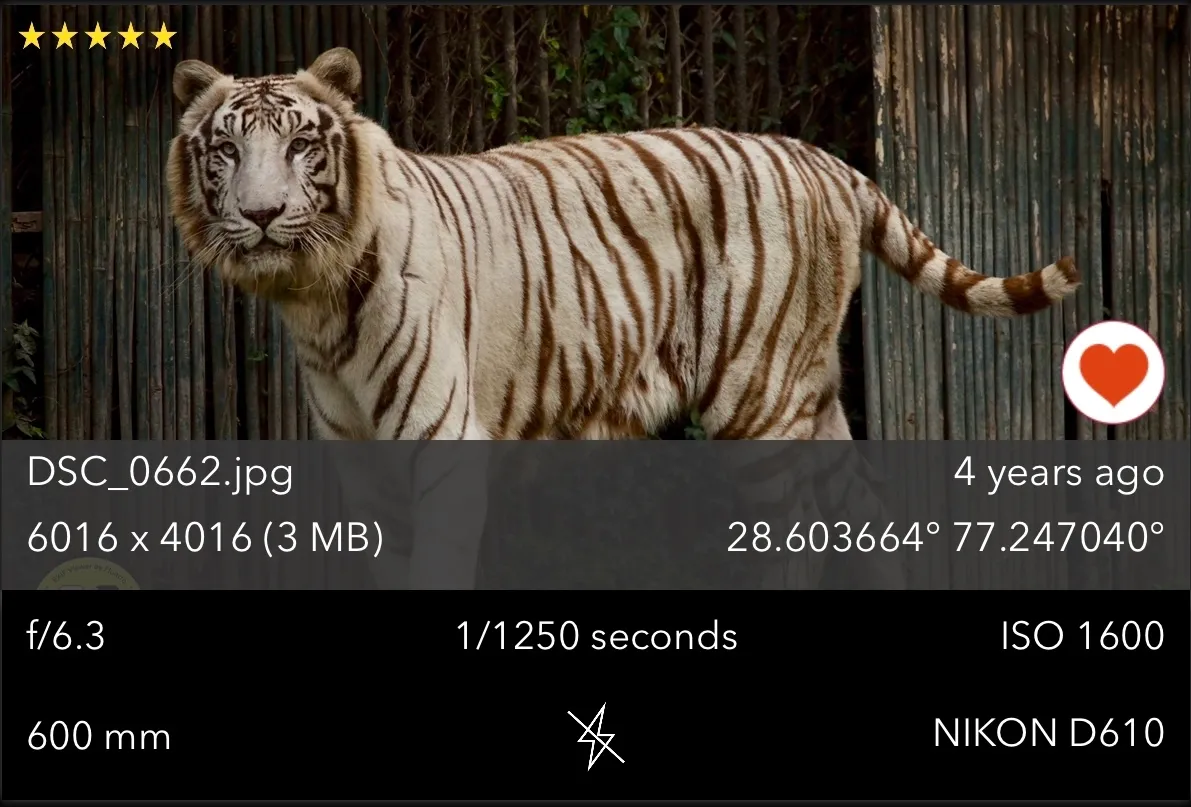
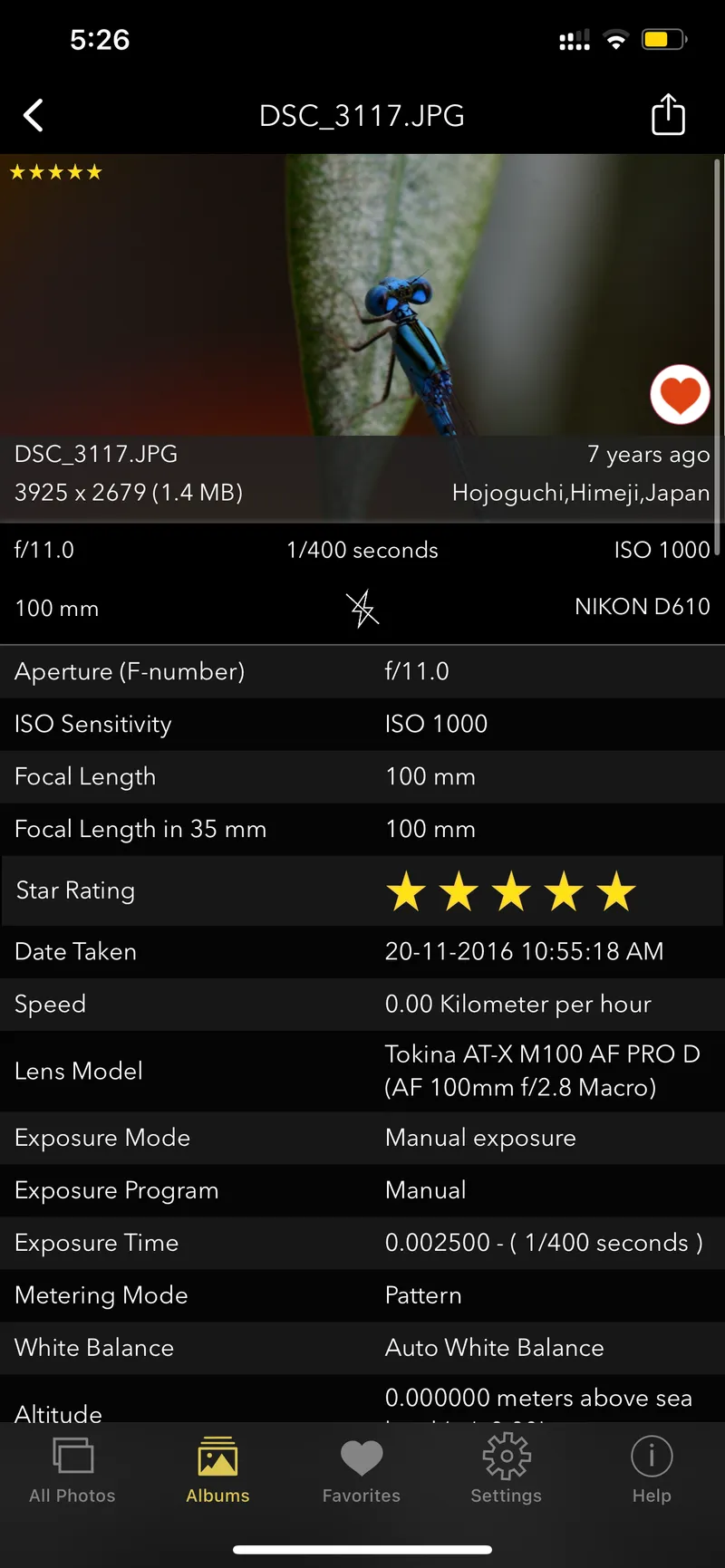

EXIF tool for viewing, removing Exif data – App name : Exif Viewer by Fluntro
How to View EXIF Data on Your Photos
Viewing EXIF data is easier than you might think. On most modern devices, you don’t need third-party apps to access this information. Here’s how:
- On Windows: Right-click on the photo file, select Properties, and go to the Details tab.
- On macOS: Open the photo in Preview, then go to Tools > Show Inspector and click on the Exif tab.
- On iPhone: In the Photos app, swipe up on an image to see basic metadata, or use an app like EXIF Viewer to see more detailed data.
What Information is Included in EXIF Data?
EXIF data includes a wide range of metadata about the image. Key details typically include:
- Camera Model: The make and model of the camera or smartphone used.
- Lens Information: Type of lens, focal length, and aperture settings.
- Shutter Speed and ISO: Details on how the photo was exposed.
- Date and Time: The exact time the photo was taken.
- GPS Coordinates: Location data, if GPS is enabled on your device.
This data can be incredibly useful for organizing, editing, and improving your photography workflow.
How to Remove or Edit EXIF Data
In some cases, you might not want to share EXIF data, especially if it includes sensitive information like location coordinates. Here’s how you can remove EXIF data from your photos:
- On Windows: Right-click the image, go to Properties > Details, and select Remove Properties and Personal Information.
- On macOS: Use the Preview app to export the image without metadata.
- On iPhone: Apps like EXIF Viewer or Photos Metadata Remover can help strip out this data before sharing.
EXIF Data in 2024: What’s New?
In 2024, EXIF data continues to be a cornerstone of digital photography, but with new advances in AI and machine learning, EXIF data is becoming even more dynamic. Cameras and smartphones now offer more detailed metadata, including artificial intelligence-powered scene detection and enhanced GPS tracking. These updates are making EXIF even more valuable for photographers looking to perfect their craft.
Conclusion:
Understanding the EXIF full form and the data it provides is key to mastering digital photography. Whether you’re an aspiring photographer or a seasoned pro, learning how to analyze and edit EXIF data can help you take better photos and protect your privacy when sharing images online. As technology continues to evolve in 2024, EXIF data will remain a critical tool for photographers looking to optimize their workflow.